
Prioritizing Injury Prevention
We Focus on Keeping You Moving
By Kelly Bergkessel, PT, DPT, COMT
Staying active in the mountains is one of the greatest benefits of living at high elevation, but it also comes with unique physical demands. I’ve concentrated on jogging, biking and hiking as 3 areas where injury prevention can help you stay healthy, perform better, and enjoy the outdoors safely.
Jogging at High Elevation
Running in the mountains places added stress on your cardiovascular system and joints due to thinner air and uneven terrain. To prevent injury, start by gradually acclimating to elevation and avoid pushing intensity too quickly. Proper footwear with good traction is essential for navigating dirt trails and rocky paths. Incorporate strength training for your hips, glutes, and core to improve stability and reduce strain on your knees and ankles. Hydration is also critical at altitude, as dehydration can increase fatigue and the risk of muscle cramps or injury.
Biking in Mountain Terrain
Mountain biking and road cycling at elevation require both endurance and control. One of the most common causes of injury is poor bike fit, which can lead to knee, hip, or back pain over time. Make sure your seat height and handlebar position are properly adjusted. When riding trails, focus on maintaining good posture and using your core for balance rather than overloading your arms. Build strength and flexibility in your lower body, and don’t forget to warm up before longer rides. Fatigue can set in faster at altitude, so listen to your body and take breaks as needed.
Hiking in the Mountains
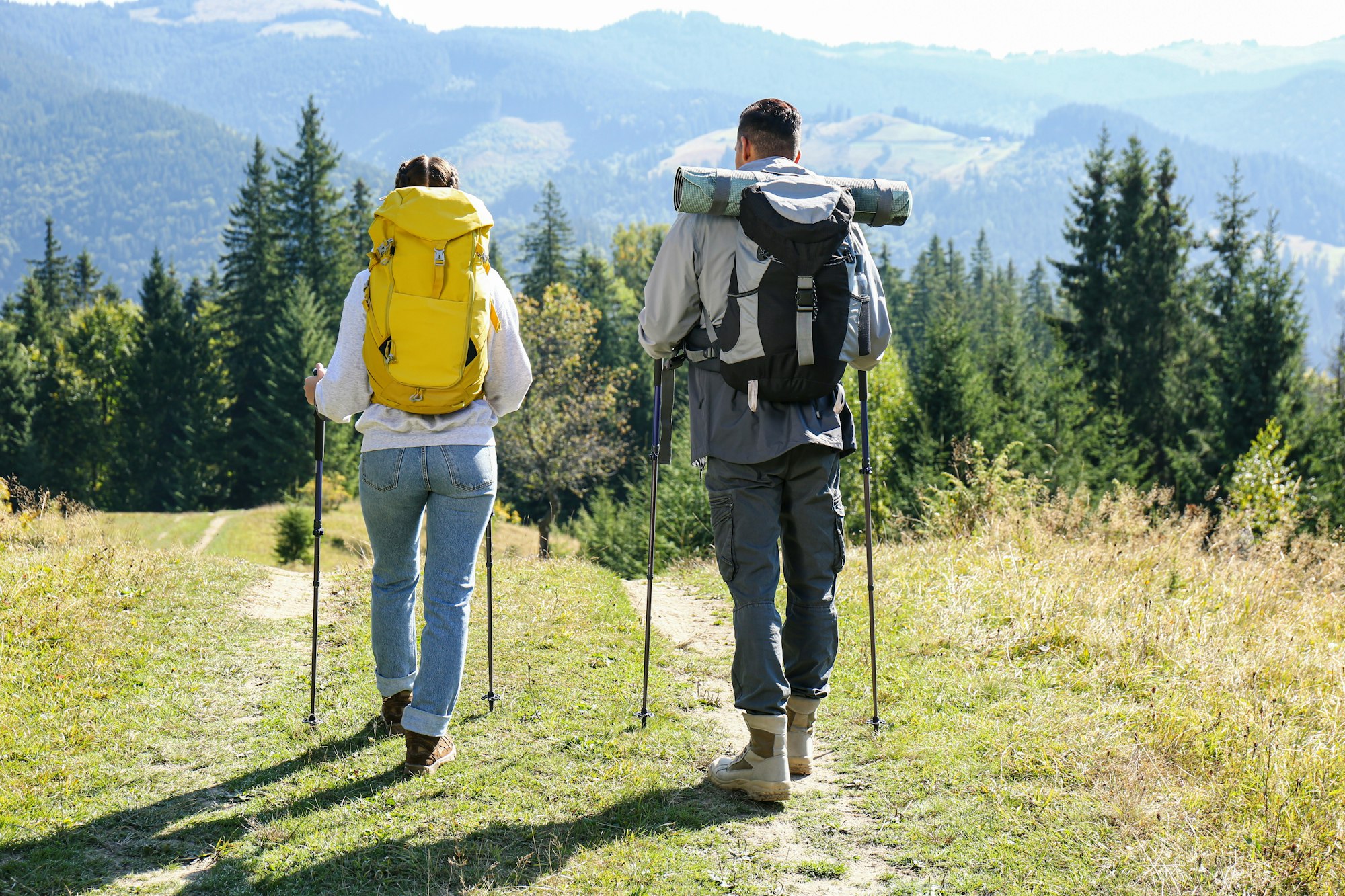
Hiking is a fantastic way to explore the outdoors, but steep inclines, uneven surfaces, and altitude can increase the risk of strains, sprains, and overuse injuries. Wearing supportive footwear and using trekking poles can help reduce stress on your joints, especially during descents. Gradually increase the difficulty and duration of your hikes to allow your body to adapt. Pay attention to your footing to avoid slips and falls, and include balance and strengthening exercises in your routine to improve joint stability. As with all high-elevation activities, staying well-hydrated and fueling properly is key.
No matter your activity, preparation and proper body mechanics are essential for preventing injury in the mountains. If you’re experiencing pain, recovering from an injury, or looking to improve your performance, SVH Physical Therapy can help. Call 719-486-7180 to schedule an appointment and keep yourself moving and pain-free.
