
Coping with Stress

By Lauren Huffman, Family Nurse Practitioner
St. Vincent Health
719-486-0230
Stress has a sneaky way of starting small.
Maybe it begins with a packed schedule, a growing to-do list, or one too many notifications on your phone. At first, it feels like it’s all happening in your head.
But stress rarely stays there.
Soon your shoulders are tight, your sleep is off, you feel more irritable than usual, or concentrating takes more effort than it should. That’s because stress doesn’t just affect your thoughts—it affects your entire body.
Stress is the body’s natural response to challenges. In small doses it can be helpful, motivating us to solve problems and get things done. But when stress sticks around too long, it can lead to headaches, fatigue, sleep problems, anxiety, and irritability. Over time, chronic stress may even contribute to conditions like high blood pressure, heart disease, and a weakened immune system.
Managing stress doesn’t require a complete life overhaul. Often, small changes in daily habits can make a big difference.
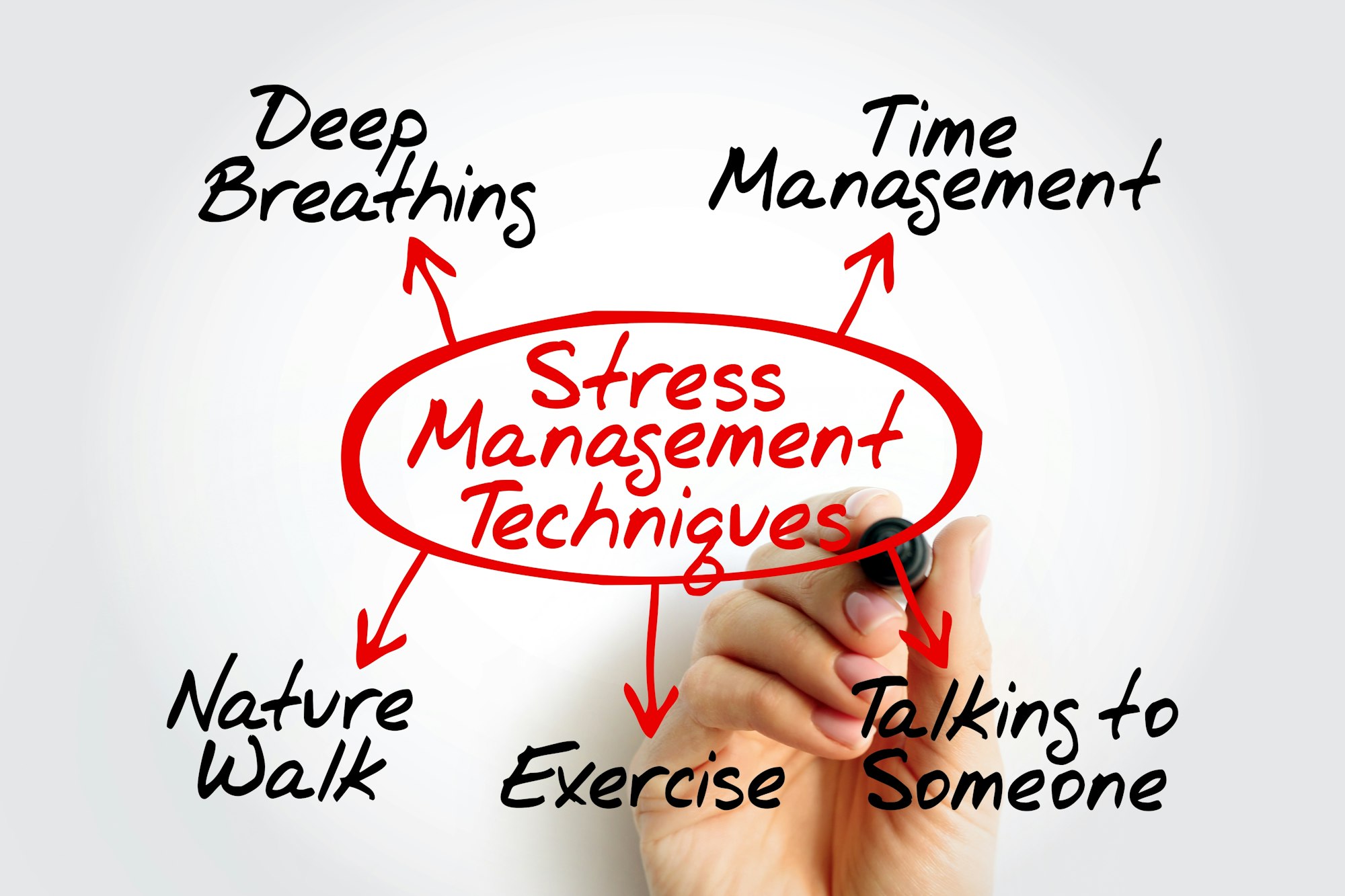
Here are a few simple strategies that can help restore balance:
Adopt a Positive Mindset
Try to focus on what is within your control. A positive outlook doesn’t eliminate stress, but it can make challenges feel more manageable.
Don’t Be a Slave to Technology
Constant notifications and screen time can keep your mind in a state of alertness. Setting boundaries with devices—especially before bedtime—can help your brain unwind.
Eat for Well-Being
Nutritious meals provide the fuel your body needs to manage stress. Balanced foods help stabilize energy and mood throughout the day.
Get a Good Night’s Sleep
Quality sleep allows the body and brain to recover. Aim for consistent sleep routines and limit screens before bed to help improve rest.
Get Moving to Combat Stress
Physical activity is one of the most effective stress relievers. Even a short daily walk can boost mood and reduce tension.
Learn to Say No
Taking on too much can quickly lead to burnout. Setting healthy boundaries helps protect your time and energy.
Practice Deep Breathing
Slow, intentional breathing helps calm the nervous system and can quickly reduce feelings of stress.
Let Your Medical Provider Help
Regular checkups, healthy habits, and paying attention to early warning signs can prevent stress from affecting long-term health.
Stay Hydrated
It sounds simple, but dehydration can worsen fatigue and irritability. Drinking enough water throughout the day supports both physical and mental well-being.
Even with healthy habits, there are times when stress becomes overwhelming. If stress is affecting your health or quality of life, consider talking with your primary care provider. At St. Vincent Health, our team is here to support the physical and emotional well-being of our community and help patients find practical ways to feel healthier, more balanced, and more resilient. If you would like to talk about stress or any other medical concern with a provider, call 719-486-0230.